The Hidden Secrets of How Empaths Protect Themselves
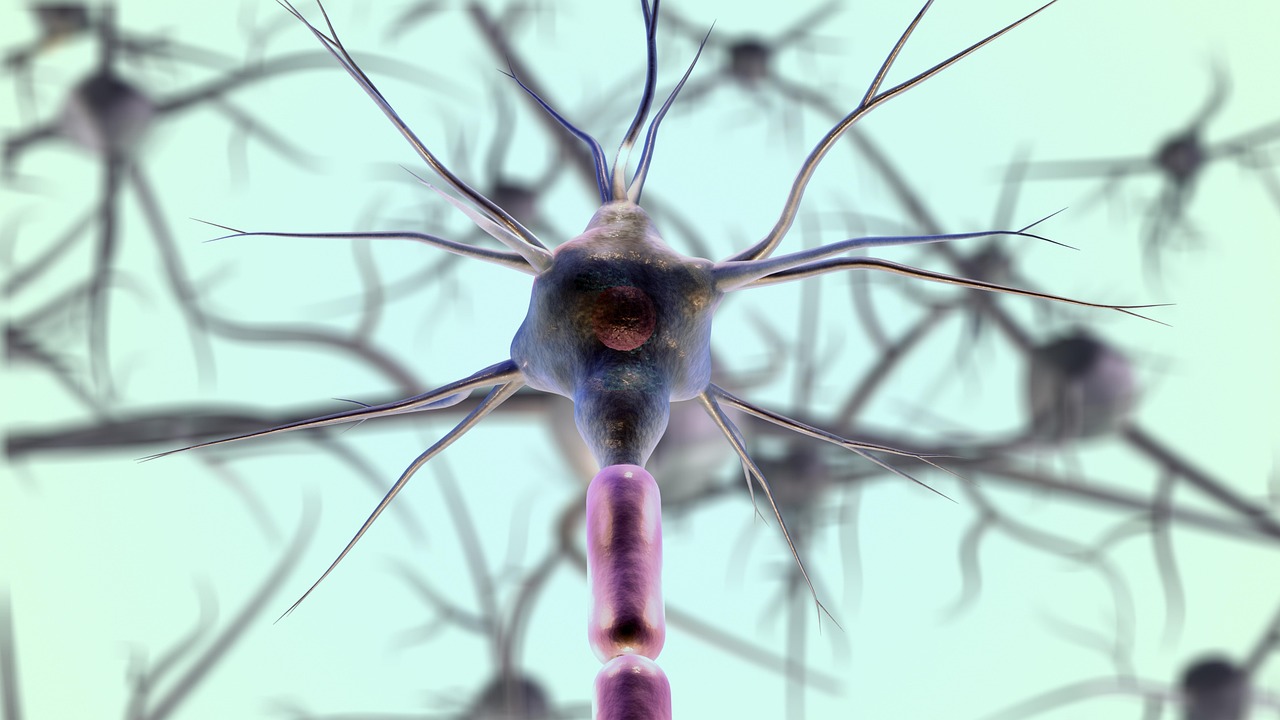
Empaths can absorb emotions from others, leading to emotional exhaustion, similar to how a sponge soaks up water.
Executive Summary / Key Takeaways
Imagine walking into a crowded room and feeling every single emotion swirling around you. Excitement, anxiety, joy, sadness—it’s all there, and it’s all yours to carry. For empaths, this isn’t just a scenario; it’s everyday life.
How Do Empaths Set Boundaries?
Empath Sensitivity
50%
of empaths report feeling overwhelmed
30%
say they struggle with emotional boundaries
Source: Empath Research Study 2022
Setting boundaries is crucial for empaths. It’s like building a fence around a garden to keep out the weeds. You wouldn’t let just anything trample on your flowers, right? Empaths need to learn to say 'no' without feeling guilty. This can be tough because they often want to help others.
One effective method is to practice assertiveness. This involves clear communication about what they can handle emotionally. It’s not about shutting people out; it’s about protecting their peace.
Moreover, emotional boundaries can be physical too. For example, empaths might choose to leave a social gathering early if it becomes too overwhelming. They might also limit their time with particularly draining individuals. It’s all about self-preservation.
But wait—there’s more! Empaths can also use visualization techniques. Picture a protective bubble around them. When they feel the weight of others’ emotions, they can visualize that bubble expanding, keeping negativity at bay.
What Techniques Help Empaths Manage Sensory Overload?
Sensory overload is a real struggle for empaths. Imagine being in a room where every sound is amplified, every light is too bright. It’s exhausting! To combat this, empaths often use grounding techniques.
Grounding can be as simple as focusing on their breath. Taking deep, slow breaths helps them reconnect with their own body. Another method is to carry grounding stones, like hematite or black tourmaline. These stones are believed to absorb negative energy and help empaths feel more centered.
Mindfulness practices also play a huge role. By being present in the moment, empaths can filter out the noise around them. This can be as easy as taking a walk in nature, where the sights and sounds are soothing rather than overwhelming.
And here's the kicker: studies show that spending time in nature can lower stress levels significantly. It’s like hitting the reset button on their emotional state.
How Do Empaths Differentiate Between Their Emotions and Others'?
Empath Awareness Over the Years
1990s
Empathy Research Grows
Increased focus on emotional intelligence.
2010
Mindfulness Movement
Mindfulness practices gain popularity.
One of the biggest challenges for empaths is distinguishing their feelings from those they absorb from others. It’s like trying to find your favorite shirt in a pile of laundry—it can get confusing!
Journaling is a powerful tool here. By writing down their feelings, empaths can track patterns and identify what’s truly theirs. This practice helps them recognize when they’re feeling someone else’s emotions instead of their own.
Another method is to check in with themselves regularly. Asking questions like 'Is this my feeling?' can help clarify their emotional landscape.
And get this: research suggests that self-reflection can enhance emotional intelligence, making it easier for empaths to navigate their feelings. It’s like sharpening a knife; the more they practice, the better they get.
What Role Does Mindfulness Play in an Empath's Life?
Key Facts About Empaths
20%
of the population identifies as empathic
50%
report feeling others' emotions
75%
experience sensory overload regularly
Mindfulness is a game changer for empaths. It’s about being aware of the present moment without judgment. Think of it as tuning into your favorite radio station—when the signal is clear, everything sounds better.
Practicing mindfulness helps empaths stay grounded. They can observe their feelings without getting swept away by them. Techniques like meditation or yoga can be incredibly beneficial. Even a few minutes a day can make a difference.
Interestingly, studies have shown that mindfulness can reduce anxiety and improve emotional regulation. It’s like giving empaths a superpower to control their emotional responses.
But wait—there’s a twist! Mindfulness also encourages empathy. When empaths practice being present, they can engage with others more meaningfully. It’s a win-win!
How Can Empaths Create Safe Spaces?
Surprising Insights
Empaths can absorb emotions from others, leading to fatigue.
Mindfulness can enhance empathy, creating a balance.
Creating a safe space is essential for empaths. This is their sanctuary, a place where they can recharge and feel secure. It can be a cozy corner in their home or even a favorite spot in nature.
To enhance this space, empaths often incorporate elements that soothe them. This could be soft lighting, calming scents, or even comforting music. It’s all about creating an environment that feels nurturing.
Additionally, empaths might also establish rituals. These could include lighting a candle, practicing gratitude, or simply taking a moment to breathe deeply. Rituals help signal to their brain that it’s time to relax and unwind.
And here’s the kicker: research indicates that a calming environment can significantly lower cortisol levels, which means less stress. It’s like having a personal oasis in a chaotic world.
Empath Strategies Overview
| Strategy | Description |
|---|---|
| Setting Boundaries | Communicating limits to protect emotional space. |
| Grounding Techniques | Using physical objects or practices to stay centered. |
| Mindfulness | Practicing awareness to filter emotions. |
| Creating Safe Spaces | Designing environments that promote peace. |
Procedural Breakdown
Identify Emotions
Regularly check in with your feelings to distinguish them from others'.
Practice Mindfulness
Engage in daily mindfulness exercises to enhance emotional awareness.
Set Boundaries
Learn to say 'no' and limit interactions with draining individuals.
Create Safe Spaces
Designate areas where you can relax and recharge.
Frequently Asked intel
What is an empath?
An empath is someone who deeply feels and absorbs the emotions of others.
How can empaths recharge?
Empaths can recharge by spending time alone, practicing mindfulness, and engaging in self-care activities.
Dig deeper into the rabbit hole
Verified Data Sources
Recent Intel & Headlines
Cross-Network News Feed
What Is an Empath and How Do You Know If You Are One? - Healthline
Empaths and anxiety: Link, causes, and coping - Medical News Today
The Best Crystals For Empaths To Protect & Claim Their Energy - nylon.com
Global headlines indexed via Google News RSS Search Protocol