The 7-Minute Window: What Actually Happens When Your Heart Stops Beating
The energy released when a human body decomposes completely is roughly equivalent to the energy in 90 gallons of gasoline - enough to drive a car from New York to Los Angeles and back twice.
Executive Summary / Key Takeaways
You're sitting there, heart beating, lungs breathing, brain thinking. Then suddenly - you're not. But what happens in that exact moment, and everything that follows?
What happens in your brain during those first 30 seconds?
The First 24 Hours After Death
0-20 minutes
Brain activity changes
Consciousness lost, basic functions continue
20-30 minutes
Livor mortis begins
Blood starts pooling at lowest points
2-6 hours
Rigor mortis starts
Muscles begin stiffening from face down
8-12 hours
Livor mortis fixed
Blood pools permanent, can indicate if body moved
12-24 hours
Full rigor mortis
Complete body stiffness, then gradual release
Based on forensic pathology timelines
Okay, so your heart stops. That's the trigger. But your brain? It doesn't just turn off like a light switch.
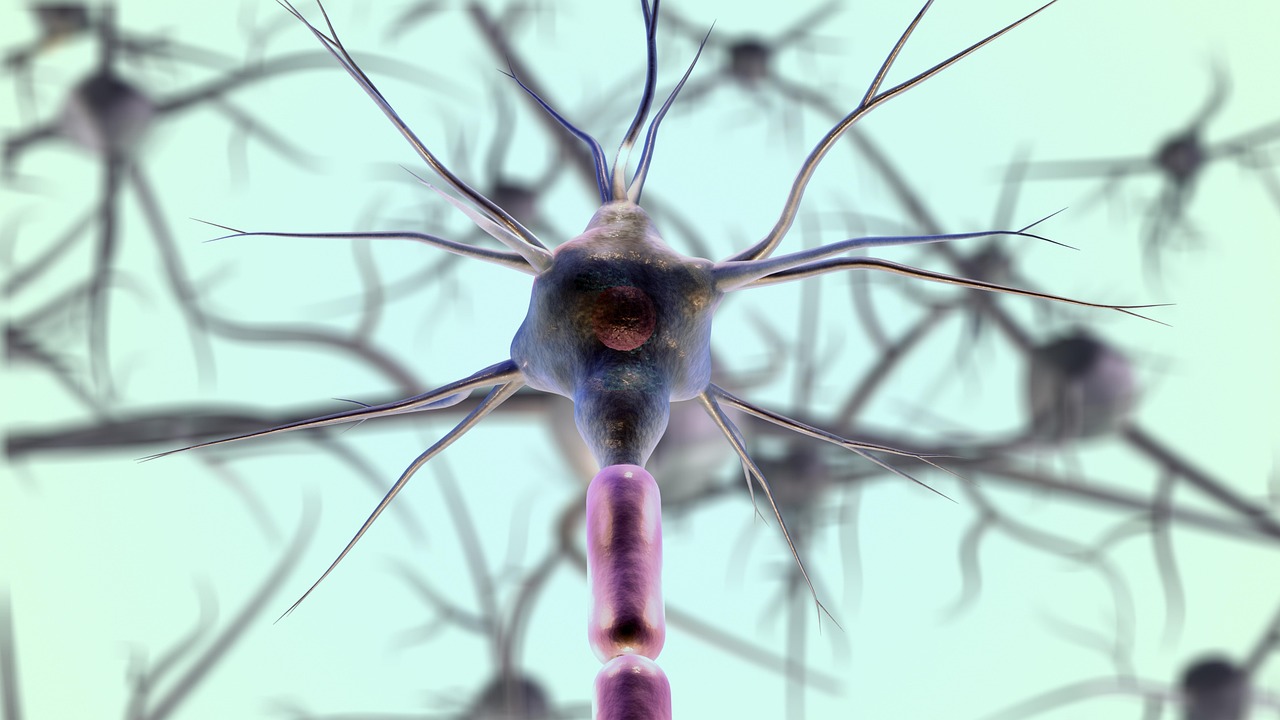
Think of it like a city losing power. The blackout starts in one neighborhood and spreads. First, the fancy parts go dark - the areas that handle complex thinking, memory, consciousness. That happens in about 10-20 seconds.
But the basic maintenance crew? The brainstem keeping your lungs breathing, your heart beating? That crew keeps working for a bit longer, desperately trying to restart the system.
Here's what nobody tells you: during those first moments, there's often a flood of neurotransmitters. A chemical storm. Some researchers think this might explain near-death experiences - that feeling of floating, of seeing light, of your life flashing before your eyes.
It's like your brain's emergency broadcast system going haywire as the power fails.
And this part gets me - after about 4-6 minutes without oxygen, the damage becomes permanent. Neurons start dying. The connections that make you "you" begin to unravel.
But wait - that's not even the crazy part.
Why does a dead body change color in the first 3 hours?
The Critical Window
4-6 minutes
Irreversible brain damage begins
Without oxygen after cardiac arrest
American Heart Association guidelines
So the heart has stopped. Blood isn't pumping anymore. Gravity takes over.
Imagine spilling a glass of red wine on a white tablecloth. The liquid pools at the lowest point. That's exactly what happens with blood in a body.
This is called livor mortis. It starts about 20-30 minutes after death and becomes fixed after 8-12 hours. The skin turns purplish-red wherever the blood settles.
But here's what's wild - forensic experts can use this to determine if a body was moved after death. If the blood pool doesn't match how the body was found? Someone moved it.
Meanwhile, the body starts cooling. About 1.5 degrees Fahrenheit per hour at first. This is algor mortis.
And then rigor mortis sets in - the muscles stiffen. It starts in the eyelids and jaw, works its way through the body over 12 hours, then gradually releases over the next 48.
All of this happens on a predictable timeline. Like a biological clock that keeps ticking even after the main spring has broken.
You know what's even stranger? How our senses change when we're alive might have some parallel in how our bodies change after death - both follow biological rhythms we don't fully control.
How do funeral homes delay decomposition for viewings?
This is the part nobody wants to talk about but everyone wonders. How do they make Grandma look so peaceful?
First, they slow down the bacteria. Your gut contains trillions of microorganisms that immediately start breaking you down from the inside. Embalming fluid - usually formaldehyde-based - kills these bacteria and preserves tissues.
The process is meticulous. They replace blood with embalming fluid through arteries. Drain fluids from organs. Sometimes use special cosmetics to restore color.
But here's what they don't show in movies: even with embalming, decomposition is only delayed, not stopped. Viewings usually happen within a few days for a reason.
And cremation? That's a whole different process. The body goes into a chamber heated to 1400-1800°F. It takes 2-3 hours. What's left isn't ash - it's bone fragments that get pulverized into what we call ashes.
The average adult yields about 5-8 pounds of cremated remains. That's it. Everything else - water, organic compounds - vaporizes.
It makes you think about how habits shape our lives - and how quickly the physical evidence of those habits can disappear.
What happens to your digital life after you're gone?
What Survives the Longest
Tooth enamel
Can last thousands of years in right conditions
Hair and nails
Appear to grow after death (skin shrinkage illusion)
Digital data
Facebook profiles often outlive physical remains
Forensic anthropology observations
Your body might be gone, but your Facebook profile? Your emails? Your Bitcoin wallet? Those live on.
This is digital afterlife - and it's creating entirely new legal and emotional landscapes.
Facebook alone has become the world's largest cemetery, with millions of profiles belonging to deceased users. Some get memorialized. Others just... stay there, frozen in time.
Passwords die with you unless you've left instructions. That photo album in the cloud? Those documents on Google Drive? They might be lost forever.
Companies have different policies. Apple's iCloud requires a court order for access. Google has an Inactive Account Manager. Twitter will deactivate accounts if notified.
But here's what keeps estate lawyers up at night: cryptocurrency. If you die with Bitcoin in a wallet and nobody has the private key? That money is gone. Forever. Truly gone, in a way physical money never could be.
We've created this parallel existence online, and we haven't figured out how to handle its death. It's like leaving behind a ghost that haunts servers instead of houses.
And just like dark matter influences the universe invisibly, our digital footprints continue to influence the living world long after we're gone.
Body Changes After Death Timeline
| Time After Death | Process | What Happens | Forensic Significance |
|---|---|---|---|
| 0-20 minutes | Pallor mortis | Skin pales as blood circulation stops | First visible sign of death |
| 20 min-3 hours | Algor mortis begins | Body cools 1.5°F per hour initially | Helps estimate time of death |
| 30 min-4 hours | Livor mortis begins | Blood pools at lowest body points | Shows if body was moved |
| 2-6 hours | Rigor mortis starts | Muscles stiffen beginning with eyelids | Peaks at 12 hours, gone by 36 |
| 24-72 hours | Decomposition begins | Bacteria break down tissues, bloating occurs | Odor develops, skin changes color |
| 3-5 days | Active decay | Tissues liquefy, body deflates | Maggots often present |
| 1-2 weeks | Advanced decay | Most flesh gone, skeletonizing begins | Bones become visible |
| 1 month+ | Dry remains | Bones dry out, hair may remain | Final stage before skeletonization |
Procedural Breakdown
Cardiac arrest or brain death
Heart stops beating or brain shows no activity - the medical definition of death begins
Clinical death declaration
Physician examines for absence of heartbeat, breathing, and pupillary response
Early postmortem changes
Body cools, blood pools, muscles stiffen over first 24 hours
Legal documentation
Death certificate filed, next of kin notified, estate process begins
Disposition decision
Family chooses burial, cremation, or other method based on wishes and regulations
Decomposition or preservation
Natural breakdown begins or embalming delays process for viewing
Frequently Asked intel
Do hair and nails really grow after death?
No, this is an optical illusion. After death, the skin dehydrates and retracts, making hair and nails appear longer. Actual growth requires living cells, which die with the rest of the body.
How long does it take for a body to decompose completely?
In a temperate climate with burial, it takes about 8-12 years for a body to skeletonize. Complete decomposition to dust can take decades. In hot, humid conditions, it happens much faster - sometimes just weeks.
Can you still hear after you die?
Hearing is often the last sense to go. Studies of dying patients suggest some awareness of sound may persist even when other responses are gone. However, once brain activity ceases completely, all sensory processing stops.
Dig deeper into the rabbit hole
Verified Data Sources
The Tadpoles of IC 410
Astrophysics Data System
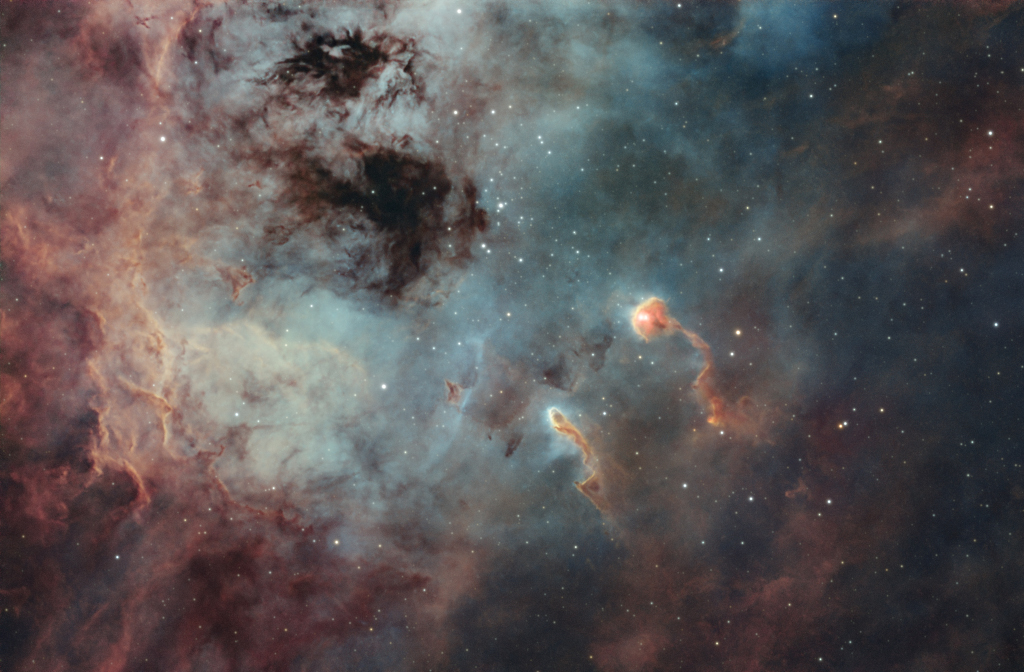
"This telescopic close-up shows off the central regions of otherwise faint emission nebula IC 410, captured under backyard skies. Presented in a Hubble color palette, the image combines visible broadband and narrowband data with data from the near-infrared. Below and right of center are two remarkable inhabitants of the interstellar pond of gas and dust. the Tadpoles of IC 410. Partly obscured by foreground dust, the nebula itself surrounds NGC 1893, a young galactic cluster of stars. Formed in the interstellar cloud a mere 4 million years ago, the intensely hot, bright cluster stars energize the glowing gas. But the cosmic tadpoles themselves are composed of denser cooler gas and dust. Around 10 light-years long they are likely sites of ongoing star formation. Sculpted by stellar winds and radiation their heads are outlined by bright ridges of ionized gas while their tails trail away from the cluster's central young stars. IC 410 lies some 10,000 light-years away, toward the nebula-rich constellation Auriga."
Recent Intel & Headlines
Cross-Network News Feed
Did Your Family Member Die in Prison or Jail? What Happened Next? - The Marshall Project
What happens when someone dies aboard a cruise ship? We find out how it's handled - Florida Today
Opinion | None of Us Will Live Forever. Some of Us Have a Professional Duty to Plan Ahead. - The New York Times
Global headlines indexed via Google News RSS Search Protocol