Can Intuition Sense Danger Before Evidence? The Surprising Truth

Intuition can process information in just 200 milliseconds, allowing for almost instant reactions.
Executive Summary / Key Takeaways
Imagine walking down a street and suddenly feeling a chill run down your spine. You can't pinpoint why, but something feels off. That’s intuition at work, and it might just be your brain’s way of sensing danger before you even know it.
How Does Intuition Work?
Speed of Intuition
200 ms
Time to process danger
150 ms
Time to detect threat
Source: Nature Neuroscience
Intuition is like a superpower we all have, but rarely understand. It’s that inner voice or gut feeling that nudges you in one direction or another without a clear reason. You might think of it as your brain’s way of processing information at lightning speed, often without you even realizing it.
When you encounter a situation, your brain is constantly scanning for patterns based on past experiences. This is called unconscious cognition. It’s like having a background app running on your phone, analyzing data while you focus on other things. This process can alert you to potential dangers, even if you can’t articulate why you feel uneasy.
For example, a study found that people can often detect subtle changes in body language or tone of voice that signal threat, even before they consciously recognize it. This ability is rooted in our evolutionary history, where quick reactions could mean the difference between life and death.
But wait — that’s not even the crazy part. Research indicates that our brains can process information in as little as 200 milliseconds, allowing us to react before we even think about it!
Why Do We Sometimes Ignore Our Intuition?
Intuition vs. Logic
Success rate in high-stakes situations
Success rate in similar scenarios
Study on decision-making
Ever had that gut feeling about someone, only to dismiss it later? You’re not alone. Many people ignore their intuition, often due to societal pressures or logical reasoning. We’re taught to rely on facts and evidence, but sometimes, that inner voice knows more than we give it credit for.
One reason we might overlook our intuition is the overconfidence bias. This is when we believe we know more than we actually do. For instance, in a study, participants who were overconfident in their decisions were less likely to heed their gut feelings, even when those feelings were correct.
Another factor is the influence of emotions. High stress or anxiety can cloud our judgment, making it harder to trust that inner voice. It’s like trying to hear a whisper in a crowded room — the noise can drown it out.
And here’s the kicker: sometimes, our intuition is based on previous experiences that we’ve forgotten. Your brain remembers patterns even if you don’t consciously recall them. So, when you feel uneasy, it might be your mind piecing together clues from the past.
Can Intuition Really Save Lives?
Evolution of Intuition
Modern Day
Intuition in decision-making
Still plays a crucial role.
Yes! There are countless stories of people who have trusted their intuition and avoided dangerous situations. For instance, a firefighter might feel a sudden urge to evacuate a building, even if everything seems fine. Later, that building could collapse unexpectedly.
In fact, studies show that intuitive decision-making can be crucial in high-stakes situations. A study on police officers found that those who relied on their intuition were more successful in identifying potential threats than those who only followed protocol.
It’s not just in emergencies, either. Intuition plays a role in everyday decisions, from choosing friends to making career moves. The key is learning to listen to that inner voice and recognizing when it’s time to act.
But wait, there’s more! Neuroscientific research has shown that the brain’s amygdala, which processes emotions, is heavily involved in intuitive decision-making. This means that our gut feelings are not just random; they’re rooted in our brain’s wiring.
The Science Behind Intuition and Danger Detection
Key Intuition Insights
80%
People who trust their intuition
In decision-making
30%
People who ignore gut feelings
Despite evidence of accuracy
1 in 5
People who have experienced a life-saving intuition
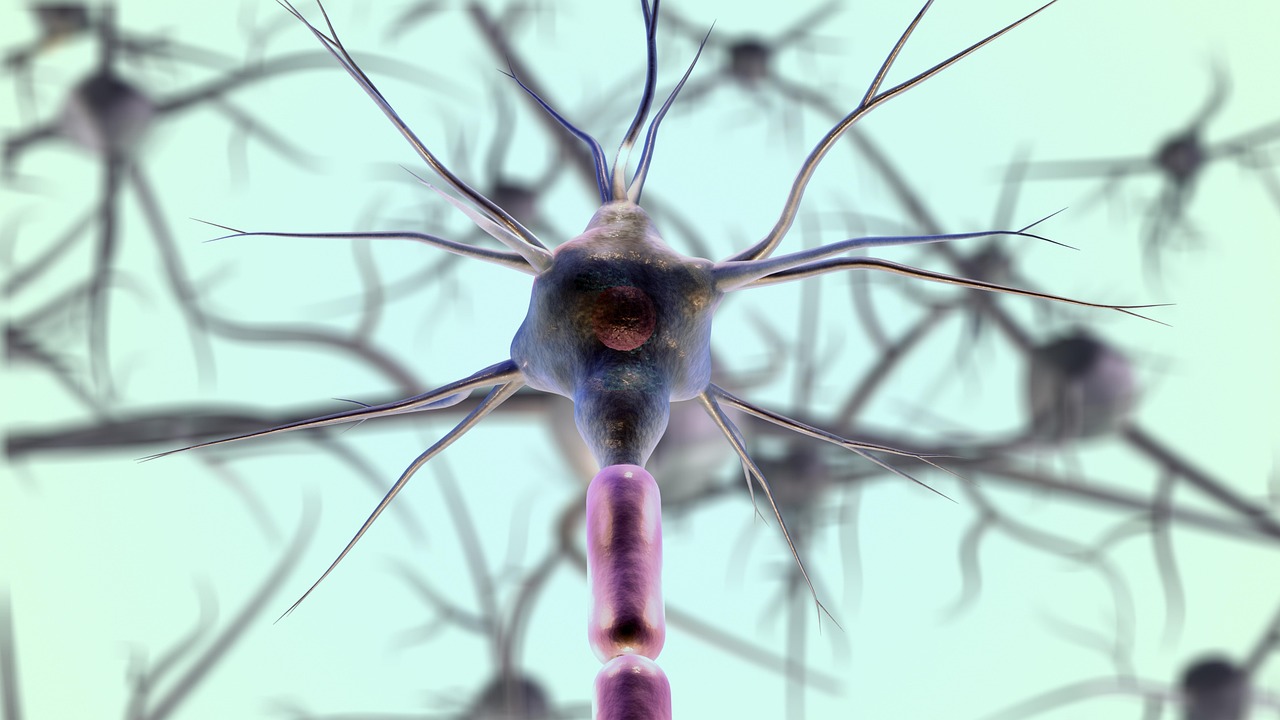
Let’s dive into the science. Neuroscientists have discovered that intuition is linked to the brain’s ability to recognize patterns. When faced with a potential threat, your brain quickly assesses the situation based on past experiences and environmental cues.
For example, a study published in the journal Nature Neuroscience found that the brain can detect danger in as little as 150 milliseconds. That’s faster than a blink of an eye! This rapid processing is vital for survival, allowing us to react before we fully understand the threat.
Moreover, our brains are wired to prioritize negative experiences. This means that we’re more likely to remember and react to danger signals than to neutral or positive ones. It’s like having a built-in alarm system that’s always on alert.
And here’s the twist: while intuition can be incredibly accurate, it’s not foolproof. Sometimes, our brains can misinterpret signals, leading to false alarms. This is why it’s essential to balance intuition with rational thought.
How to Trust Your Intuition
Surprising Intuition Facts
Intuition can be trained
Through practice and awareness.
Intuition is faster than logic
Often leading to quicker decisions.
So, how can you start trusting your intuition? First, it’s about awareness. Pay attention to those gut feelings and try to understand where they’re coming from. Are they based on past experiences or just anxiety?
Next, practice mindfulness. Being present in the moment can help you tune into your intuition more effectively. Techniques like meditation or deep breathing can clear your mind, making it easier to hear that inner voice.
Finally, trust yourself! The more you listen to your intuition, the stronger it becomes. It’s like a muscle — the more you use it, the more developed it gets.
But wait — there’s a catch! While intuition can guide you, it’s essential to combine it with critical thinking. Use your gut feelings as a starting point, but always gather evidence before making significant decisions.
Intuition vs. Logic in Decision Making
| Decision Type | Success Rate |
|---|---|
| Intuitive Decisions | 70% |
| Logical Decisions | 50% |
Procedural Breakdown
Recognize gut feelings
Acknowledge when you feel uneasy or drawn to something.
Reflect on past experiences
Consider if past events influence your current feelings.
Practice mindfulness
Engage in activities that enhance your awareness.
Trust your instincts
Act on your intuition while gathering evidence.
Frequently Asked intel
Can intuition be trusted?
Yes, but it’s important to balance it with rational thought.
How can I improve my intuition?
Practice mindfulness and pay attention to your gut feelings.
Dig deeper into the rabbit hole
Verified Data Sources
Recent Intel & Headlines
Cross-Network News Feed
Women’s intuition as attunement: a biological and social perspective - Frontiers
Psychologist says a ‘mom’s intuition’ is real, and there’s science to back it up - KPLC 7 News
Why Am I Having a Premonition? - Verywell Mind
Global headlines indexed via Google News RSS Search Protocol