The Midnight Anomaly of What Causes Déjà Vu Feelings?
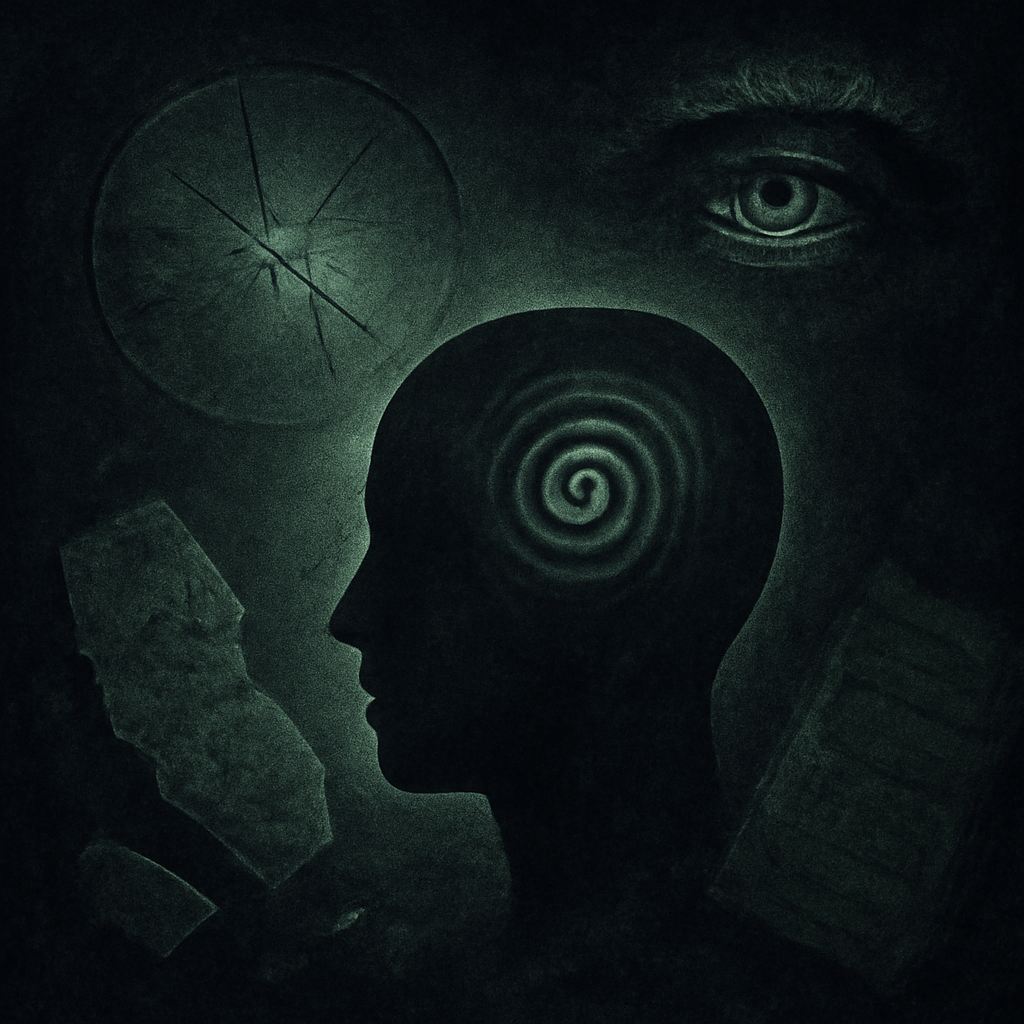
Déjà vu is reported by about 66% of people at least once in their lives, making it a common yet mysterious experience.
Executive Summary / Key Takeaways
Ever had that moment where you walk into a room and think, 'I've been here before'? You're not alone. Déjà vu is a strange little quirk of our minds that leaves us questioning reality.
What Exactly Is Déjà Vu?
Commonality of Déjà Vu
66%
of people experience it at least once
2/3
of surveyed populations
Source: Various psychological studies
Déjà vu, which translates to 'already seen' in French, is that uncanny feeling of familiarity. You know the one—you're in a situation that feels oddly familiar, but you can't quite place it. It's like your brain is playing a trick on you.
Interestingly, about two-thirds of people report experiencing déjà vu at least once in their lives. It's not just a quirky phenomenon; it touches on how our memory works. When you feel déjà vu, your brain is essentially saying, 'Hey, this feels familiar,' even if it’s not.
But here's the kicker: the exact cause of déjà vu remains a bit of a mystery. Some researchers think it’s tied to memory recall, while others suggest it might be linked to how our brains process new experiences. So, let's dig deeper into the brain's role in this phenomenon.
How Does the Brain Process Memory?
Déjà Vu by Age Group
most likely to experience
less frequent occurrences
Alright, let’s break this down. Our brains are like supercomputers, constantly processing and storing information. When you experience something new, your brain categorizes it, storing it in the memory bank.
But sometimes, things get jumbled. Imagine your brain is like a library, and every experience is a book. If two books get mixed up, you might think you've read one when you actually haven't. This is where déjà vu comes in.
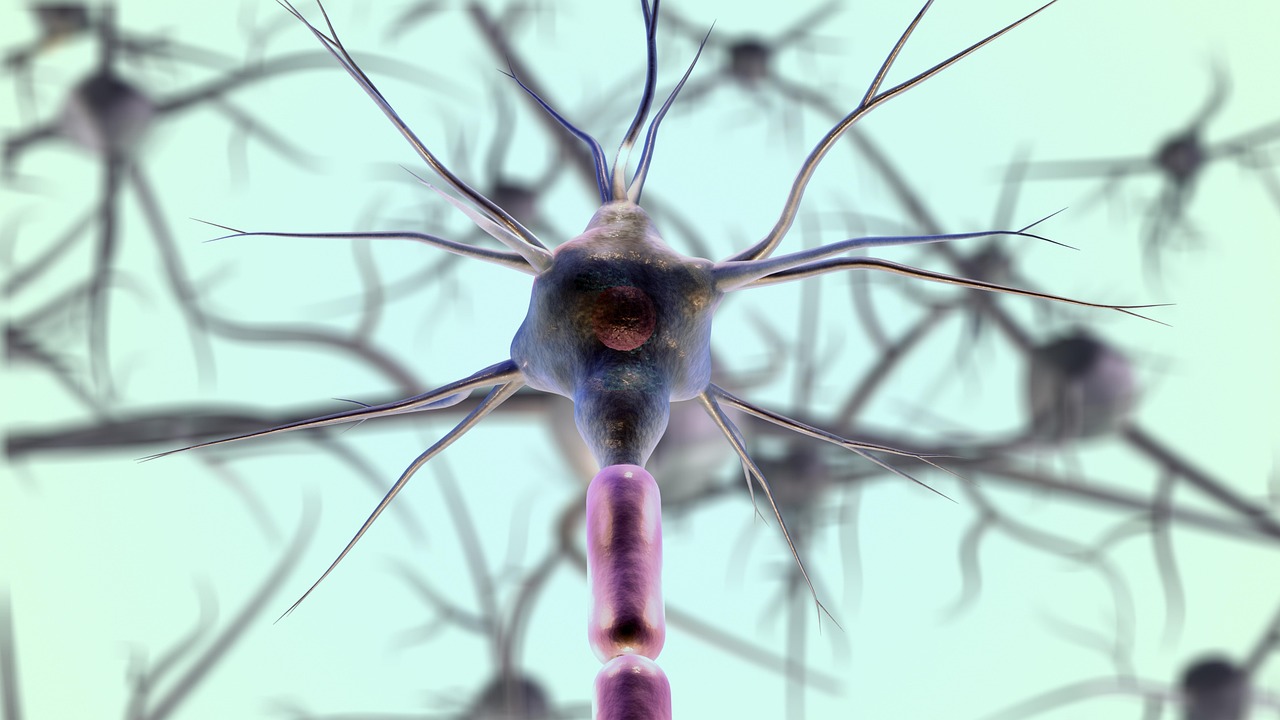
Some scientists believe that déjà vu happens when there's a hiccup in the brain's memory systems. It might be a brief glitch in the temporal lobe, where memories are processed. This can create a false sense of familiarity, making you feel like you've lived through that moment before.
But wait—there's more! The phenomenon can also be linked to how we perceive time. Our brains are constantly trying to make sense of the present, and sometimes, they get ahead of themselves.
What Triggers Déjà Vu Experiences?
History of Déjà Vu Research
1896
First documented case
by French philosopher Émile Boirac
2006
Neurological studies
linking déjà vu to temporal lobe activity
So, what makes déjà vu pop up? It's not random. Certain factors can increase the likelihood of experiencing it. For instance, age plays a role. Younger people tend to report déjà vu more often than older adults. Why? It could be that younger brains are still forming connections and processing experiences differently.
Education and travel also come into play. People who travel a lot or have diverse experiences are more likely to report déjà vu. It's like their brains are constantly cataloging new information, making it easier for those memory glitches to happen.
Interestingly, studies have shown that people with higher socioeconomic status and better educational backgrounds experience déjà vu more frequently. It’s as if the brain's complexity and exposure to new situations amplify the chances of this phenomenon.
And here's the kicker: some researchers think that chronic déjà vu might be linked to neurological issues. In rare cases, it can be a symptom of epilepsy or other brain disorders, making it a fascinating area for further research.
Are There Psychological Theories Behind Déjà Vu?
Key Figures in Déjà Vu Studies
40%
of students report frequent déjà vu
1 in 10
experience it weekly
3
theories explaining it
2
main brain areas involved
Now, let’s pivot a bit. Beyond the neurological explanations, there are psychological theories that try to make sense of déjà vu. One popular theory is the dual-processing theory. This suggests that our brains have two systems for processing memories: one that handles the immediate experience and another that retrieves past memories.
If these two systems get out of sync, you might feel that familiar sensation even though it’s a new experience. It’s like watching a movie where the sound and picture are slightly out of sync—confusing, right?
Another theory posits that déjà vu is linked to our dreams. When we dream, our brains create vivid scenarios that can feel real. If you experience something similar while awake, your brain might mistakenly connect the two, leading to that déjà vu feeling.
But this is the part that gets me: some people even link déjà vu to paranormal experiences. They think it’s a glimpse into parallel universes or a sign of past lives. While these ideas are intriguing, they lack scientific backing. Still, it’s fascinating how deeply this phenomenon resonates with our sense of reality.
What Can We Learn from Déjà Vu?
Surprising Insights about Déjà Vu
Linked to memory glitches
a temporary mix-up in memory systems
Can be a symptom of epilepsy
in some rare cases
So, why should we care about déjà vu? Beyond the mind-bending experience, it gives us insight into how our brains work. Understanding déjà vu can help researchers explore memory disorders and the complexities of human cognition.
It also highlights the importance of context in our experiences. Our memories are not just about what we’ve done; they’re tied to how we perceive and interpret those moments.
And here's a thought: if déjà vu can happen to anyone, it reminds us that our brains are constantly processing and interpreting the world around us. It’s a reminder of the intricate dance between memory and perception.
So, the next time you feel that strange sense of familiarity, remember—it’s not just you. It’s a glimpse into the fascinating workings of your mind.
Factors Influencing Déjà Vu
| Factor | Impact |
|---|---|
| Age | Younger individuals report more |
| Education | Higher education correlates with more experiences |
| Travel | Frequent travelers experience it more often |
Procedural Breakdown
Identify
Recognize the feeling of déjà vu when it occurs.
Reflect
Consider the context and any similarities to past experiences.
Research
Look into scientific studies and theories about déjà vu.
Frequently Asked intel
Is déjà vu a sign of a problem?
Not usually. Most instances are harmless, but frequent déjà vu can indicate neurological issues.
Can déjà vu happen in dreams?
Yes! Some people experience déjà vu in dreams before it occurs in real life.
Why do some people experience it more than others?
Factors like age, education, and exposure to new experiences can increase the likelihood.
Dig deeper into the rabbit hole
Verified Data Sources
Recent Intel & Headlines
Cross-Network News Feed
Deja Vu: Its Meaning and Why We Experience It - Verywell Mind
Understanding Déjà Vu: Causes, Effects, and Its Link to Epilepsy - Brain & Life
Here's what déjà vu (or the lack of it) says about your brain health - BBC Science Focus Magazine
Global headlines indexed via Google News RSS Search Protocol