The Evolution of Morality: Where Do Our Values Really Come From?

Humans share 98% of their DNA with chimpanzees, who exhibit altruistic behaviors.
Executive Summary / Key Takeaways
Imagine a world where every decision you make is dictated by survival, not ethics. This was the reality for our ancestors, and it’s where our morals began to take shape.
How Did Morality Evolve?
Origins of Morality
98%
DNA shared with chimpanzees
1 in 4
people believe morality is absolute
Source: Various genetic studies
Let’s rewind a bit. Picture early humans huddled around a fire, sharing stories and food. Their survival hinged on cooperation. This is where the seeds of morality were planted. Early humans learned that helping each other increased their chances of survival. This instinctive behavior laid the groundwork for moral systems.
Research suggests that even in primates, altruistic behaviors exist. For instance, chimpanzees will share food with others, especially those they have social bonds with. This indicates that the roots of morality might be embedded deep in our evolutionary history.
But wait — that’s not even the crazy part. As humans evolved, so did their social structures. The shift from small tribes to larger communities required more complex moral frameworks. Suddenly, it wasn’t just about survival; it was about maintaining social harmony. This is where things get interesting.
What Role Does Culture Play in Shaping Morals?
Cultural Moral Perspectives
emphasis on community
emphasis on self
Source: Cultural studies
Culture is like the software that runs on the hardware of our moral instincts. Different societies have different values, and that’s not by accident. For example, in collectivist cultures, like many in Asia, the emphasis is on community and family. In contrast, individualistic cultures, like those in the West, prioritize personal freedom and self-expression.
These cultural narratives shape what we consider right or wrong. Think about it: what’s acceptable in one culture might be taboo in another. This is why understanding morals requires a cultural lens. It’s not just black and white; it’s a whole spectrum of colors.
And here’s the kicker: as societies evolve, so do their moral codes. Take the abolition of slavery or the fight for LGBTQ+ rights. These shifts show how cultural contexts can redefine what we consider moral. It’s like watching a moral pendulum swing over time, influenced by the values of each generation.
How Do Philosophical Ideas Shape Our Morals?
Philosophical Milestones
384-322 BC
Aristotle's Virtue Ethics
Focus on character
1785
Kant's Categorical Imperative
Emphasis on duty
Now, let’s talk philosophy. Think of philosophers as the architects of moral thought. From Aristotle to Kant, they’ve shaped how we think about right and wrong. Aristotle believed in virtue ethics, focusing on character and the pursuit of a good life. Kant, on the other hand, emphasized duty and universal principles.
These philosophical frameworks influence how we approach moral dilemmas today. For instance, when faced with a tough decision, do you prioritize the greater good or stick to your principles? This is the essence of moral philosophy: navigating the gray areas.
But here’s something that often gets overlooked: moral philosophy isn’t just academic. It’s deeply personal. Your upbringing, experiences, and societal influences all play a role in shaping your moral compass. It’s like a recipe where every ingredient matters, and the final dish is uniquely yours.
What Are the Biological Underpinnings of Morality?
Key Figures in Morality
3
Major moral philosophies
7
Universal moral principles
50%
of people support environmental ethics
1
global moral crisis
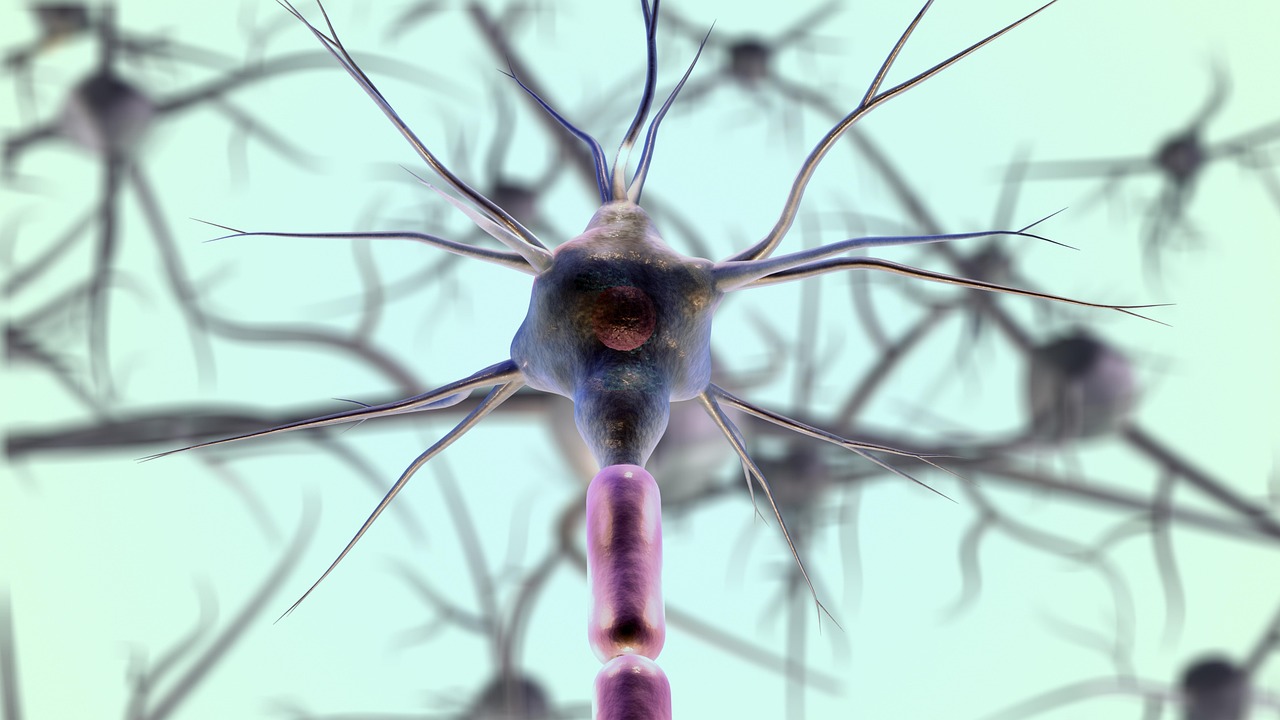
Let’s dive into the biology of morality. You might be surprised to learn that our brains are wired for moral reasoning. Studies show that certain areas of the brain light up when we make moral decisions. This suggests that morality isn’t just a social construct; it’s rooted in our biology.
For example, the ventromedial prefrontal cortex is linked to decision-making and moral judgment. When we face ethical dilemmas, this part of the brain helps us weigh our options. It’s like having an internal moral compass guiding us through life’s tricky situations.
But wait — there’s more. Hormones like oxytocin, often dubbed the “love hormone,” play a role in promoting trust and empathy. This biological basis for morality shows that our instincts are not just learned; they’re hardwired into who we are.
What Happens When Morals Clash?
Surprising Insights
Morality is influenced by biology and culture
Moral beliefs can change over time
Now, let’s get into the messy stuff. What happens when different moral systems collide? Think about global conflicts or even family arguments. When people with different values come together, it can lead to misunderstandings and even violence. This is where moral relativism comes into play.
Moral relativism suggests that no single moral framework is superior. This can be a tough pill to swallow, especially when you believe strongly in your values. But understanding that others may see the world differently can foster empathy and dialogue.
And here’s the kicker: navigating these moral clashes requires more than just understanding. It requires compassion and a willingness to listen. It’s about finding common ground, even when it feels impossible. This is where the real work of morality happens.
How Do Morals Continue to Evolve Today?
Finally, let’s look at the future. Morals are not static; they evolve with society. Take climate change, for instance. Many people now feel a moral obligation to protect the environment. This shift reflects a growing awareness of our interconnectedness.
Social media and globalization are accelerating these changes. Ideas spread faster than ever, challenging traditional moral beliefs. This is both exciting and daunting. It means that our moral landscape is constantly shifting, influenced by new ideas and perspectives.
But here’s the thing: as we navigate this evolving moral terrain, it’s essential to remain open-minded. The future of morality will be shaped by our ability to adapt and grow. It’s a journey we’re all on together.
Cultural Perspectives on Morality
| Culture | Moral Focus |
|---|---|
| Collectivist | Community and family |
| Individualistic | Personal freedom |
| Religious | Divine commandments |
| Secular | Human rights |
Procedural Breakdown
Examine biological influences
Look at how our biology shapes moral instincts.
Explore cultural narratives
Understand how culture impacts moral beliefs.
Analyze philosophical arguments
Dive into key philosophical ideas about morality.
Frequently Asked intel
Are morals universal?
Morals can vary widely across cultures, but some principles may be universal.
How do children learn morals?
Children learn morals through social interactions, cultural teachings, and observing behaviors.
Dig deeper into the rabbit hole
Verified Data Sources
Recent Intel & Headlines
Cross-Network News Feed
Where Do Moral Laws Come From? - Stand to Reason
Where Did Morality Come From? - Answers in Genesis
Morality must always come before the law - IAI TV
Global headlines indexed via Google News RSS Search Protocol