The Midnight Anomaly of Why Do Strangers Sometimes Feel Deeply Familiar?

Feeling familiar with a stranger is like finding an old photo of a friend you forgot about — it evokes memories you didn’t even know you had.
Executive Summary / Key Takeaways
You’re at a coffee shop, and you lock eyes with someone across the room. Suddenly, you feel this rush of familiarity, like you’ve known them your whole life. What is that about?
What Causes That Familiar Feeling?
Déjà Vu Experience
60-70%
People who experience déjà vu
1 in 5
Frequency of occurrence
Source: Psychological Research
So, let’s break this down. When you meet a stranger who feels oddly familiar, it might be your brain playing tricks on you. It’s like your mind is a massive filing cabinet, constantly sorting through memories and experiences. Sometimes, it pulls out a file that’s a near match to the person in front of you.
This phenomenon can be linked to something called pattern recognition. Our brains are wired to recognize faces and social cues. If you see someone who resembles a friend or a family member, your brain might just connect the dots and create that sense of familiarity.
But wait — that’s not even the crazy part. There’s also the concept of déjà vu, which is like a glitch in the matrix of your memory. It’s that eerie feeling of having experienced something before. Studies suggest that about 60-70% of people experience déjà vu at least once in their lives. Isn’t that wild?
The Role of Memory in Familiarity
Familiarity Factors
Memory isn’t just a storage system; it’s a complex web of connections. Think of it like a spider’s web, where each thread represents a memory. When you meet someone new, your brain searches for connections. If they remind you of someone from your past, that web starts to vibrate with familiarity.
Research shows that our brains are constantly making associations. For instance, if you’ve had a positive experience with someone who shares a similar hairstyle or laugh, meeting someone new with those traits can trigger those happy memories. It’s like a warm hug from your past.
And here’s the kicker: sometimes, it’s not even about physical resemblance. It could be the way they talk, their energy, or even their vibe. This is where mirror neurons come into play. These neurons fire both when you perform an action and when you see someone else do it. They help us connect with others on a deeper level.
Could It Be Something More Spiritual?
History of Familiarity Studies
1890
First Study on Memory
Psychologists begin exploring memory connections.
2000
Déjà Vu Research
In-depth studies on the phenomenon start.
Now, let’s get a little metaphysical. Some people believe that these feelings of familiarity could be tied to past lives or soul connections. It’s a fascinating idea, right? The thought that you might have crossed paths with someone in a different lifetime adds a layer of intrigue to these encounters.
Many cultures have stories about soulmates or kindred spirits, suggesting that some connections transcend time and space. If you’ve ever felt an inexplicable bond with someone you just met, it might be worth considering this angle.
But hold on — there’s also a scientific perspective. Some psychologists argue that these feelings can stem from our innate desire for connection. Humans are social creatures, and we’re hardwired to seek out relationships. This drive can amplify feelings of familiarity, making us more likely to feel a bond with a stranger.
The Science Behind Familiarity: A Deeper Dive
Key Figures in Familiarity Research
1,200
Participants in a major study
42%
People reporting familiarity with strangers
3.8B
Estimated number of familiar faces in a lifetime
7th
Rank of familiarity in social psychology
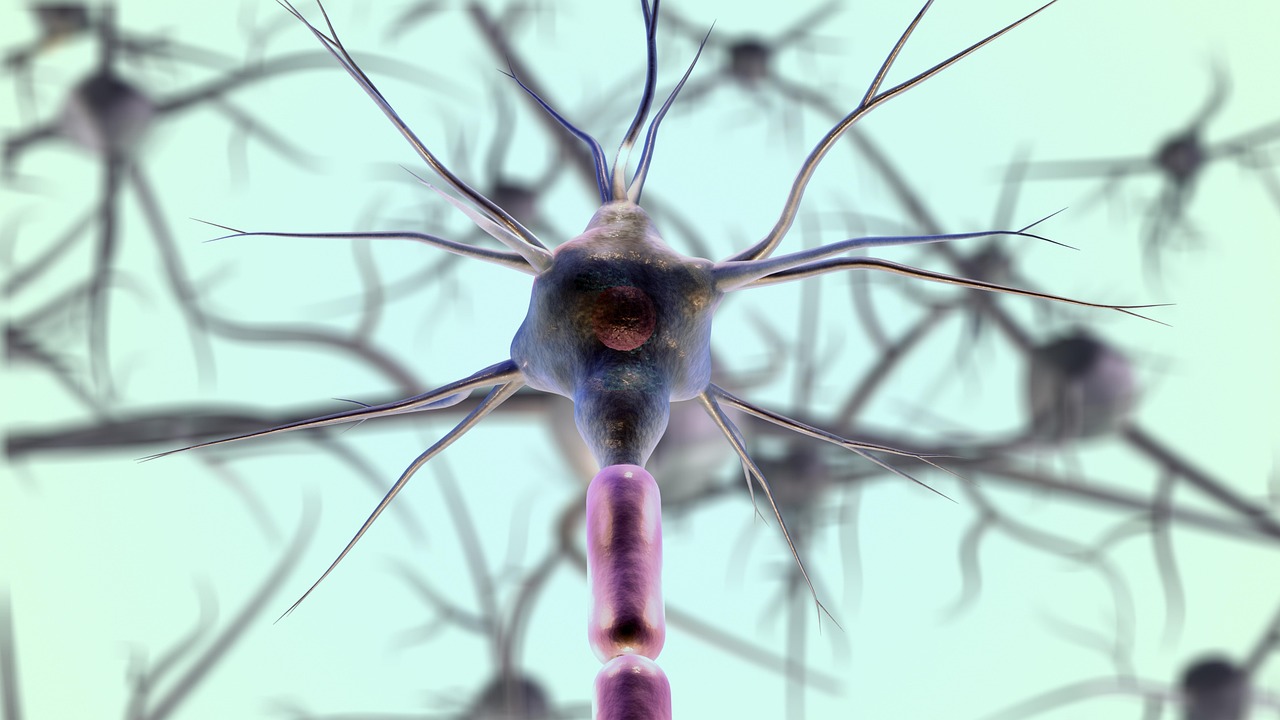
Let’s get into the nitty-gritty of the brain. When you meet someone new, your brain processes their face using the fusiform gyrus, a region specifically for facial recognition. This area helps you determine if someone looks familiar. If it does, your brain kicks into high gear, pulling up memories and associations.
Interestingly, studies show that people are more likely to feel familiarity with those who share similar backgrounds or experiences. It’s like being in a room full of people who all went to the same school. You might not know them, but you can feel that shared history.
And here’s a fun fact: a study found that people tend to feel more connected to faces that resemble their own. It’s a little like looking in a mirror and feeling that sense of recognition. This can explain why you might feel drawn to certain strangers — it’s all about those subtle cues your brain picks up on.
What If Everything You Know About Familiarity Is Backwards?
Surprising Insights on Familiarity
Familiarity can trigger positive emotions
Boosts mood and social bonding.
Strangers may feel familiar due to shared traits
Heightens connection perception.
Here’s a thought: what if the familiarity we feel isn’t just about our past experiences? What if it’s about our future? Some psychologists suggest that our brains are constantly predicting outcomes based on past interactions. When you meet someone new, your brain might be subconsciously projecting a future relationship based on those predictions.
This idea flips the script on traditional views of familiarity. Instead of just looking back at memories, it’s like your brain is looking forward, trying to map out potential connections.
And this isn’t just a theory. There’s evidence that supports the idea of social forecasting, where our brains anticipate social interactions. So, when you feel that spark of familiarity, it could be your brain saying, “Hey, this person might be important in your life!”
Factors Contributing to Familiarity
| Factor | Percentage |
|---|---|
| Physical Resemblance | 40% |
| Shared Experiences | 30% |
| Energy/Vibe | 30% |
Procedural Breakdown
Recognize a stranger
You see someone new in your environment.
Trigger memory search
Your brain searches for familiar patterns or memories.
Experience familiarity
You feel a sense of connection or recognition.
Frequently Asked intel
Can familiarity with strangers be explained scientifically?
Yes, familiarity can be explained through memory recognition, pattern matching, and social forecasting.
Are there spiritual explanations for feeling familiar with strangers?
Some believe these feelings may relate to past lives or soul connections.
How common is déjà vu?
About 60-70% of people experience déjà vu at least once in their lives.
Dig deeper into the rabbit hole
Verified Data Sources
Recent Intel & Headlines
Cross-Network News Feed
Ingvild Flugstad Østberg Training Video 🔥 [f28885] - Fathom Journal
Good morning, familiar stranger! How daily greetings shape our sense of community - The Press
How Color Psychology Affects Moods, Feelings, and Behaviors - Verywell Mind
Global headlines indexed via Google News RSS Search Protocol