The 35-Millisecond Glitch in Your Body's Operating System
The 35-millisecond delay between diaphragm contraction and vocal cord closure is faster than the blink of an eye, which takes 100-400 milliseconds.
Executive Summary / Key Takeaways
You're mid-sentence when it hits—that sudden, uncontrollable spasm that makes your whole body jerk. Everyone has a remedy, but nobody really knows why it happens.
What's Actually Happening When Your Body Hiccups?
The Speed of a Hiccup
35 ms
Reflex arc time
100-400 ms
Comparison
Time to blink
Neurological research on reflex timing
Okay, let's break this down. You know that feeling when your whole chest jumps? That's your diaphragm—the big muscle under your lungs that looks like a parachute—suddenly contracting.
But here's the thing: that contraction alone wouldn't make the sound. The 'hic' comes from what happens next.
About 35 milliseconds after your diaphragm spasms, your vocal cords slam shut. That's faster than you can blink. The air rushing through your closing throat creates the noise we all recognize.
Think of it like a sneeze in reverse. A sneeze forces air out. A hiccup tries to suck air in, but gets interrupted halfway.
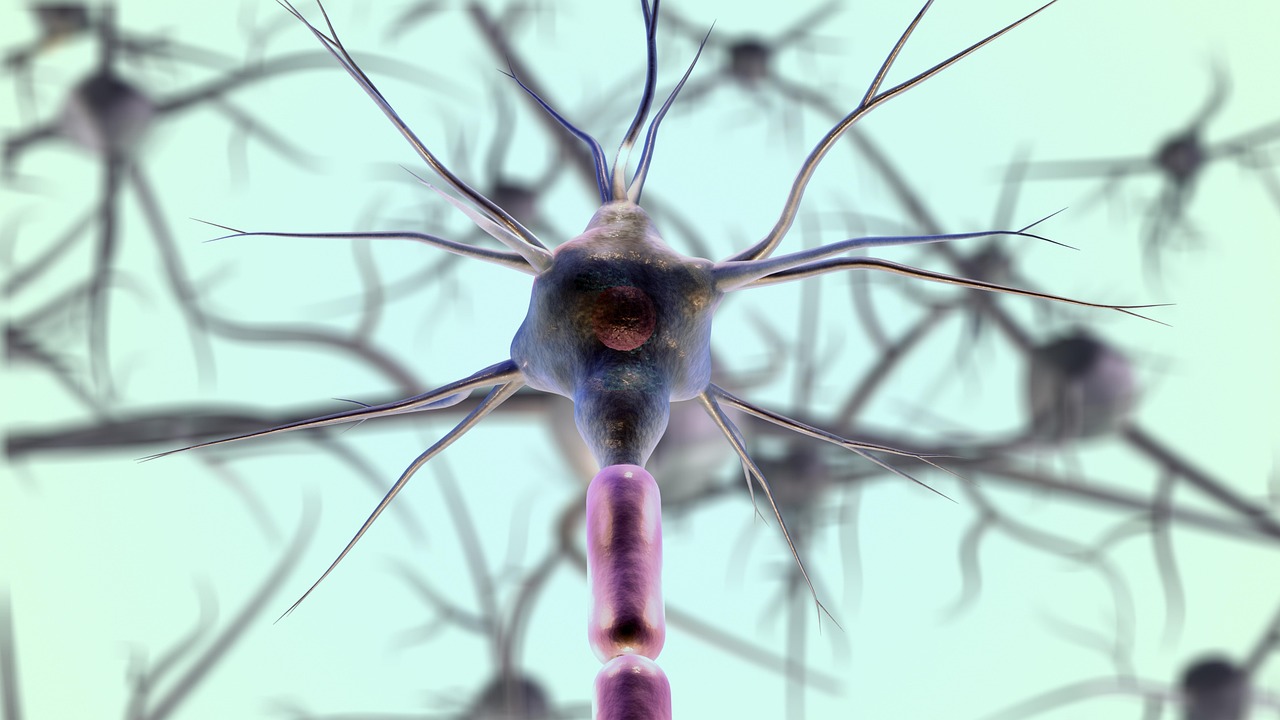
This whole sequence is controlled by what doctors call a 'reflex arc.' It's an automatic circuit that bypasses your conscious brain. Your body detects something—maybe you ate too fast, maybe you drank something fizzy—and triggers the response before you even realize what's happening.
And this reflex is ancient. We're talking older-than-dinosaurs ancient.
Why Would Evolution Keep Such an Annoying Reflex?
This is where it gets really interesting. Hiccups don't make sense for adults. They interrupt breathing. They're embarrassing. They serve no obvious purpose.
Unless you're a fetus.
Researchers noticed something weird: human fetuses hiccup in the womb. A lot. Like, up to an hour a day. And they do it in a very specific pattern.
Here's the theory: before birth, mammalian lungs are filled with fluid. The fetus needs to practice breathing movements to develop those muscles, but it can't actually breathe air yet.
So the body uses a modified version of what tadpoles do. Tadpoles use a similar diaphragm-like motion to pump water through their gills while keeping fluid out of their lungs.
Human fetuses might be doing the same thing—practicing breathing movements while keeping amniotic fluid from entering their developing lungs.
After birth, most of us lose this reflex. But sometimes, the circuit gets triggered anyway. It's like your body's software has a glitch from an old operating system.
And get this—the nerves involved? The phrenic nerve that controls your diaphragm runs from your neck down to your diaphragm. That's an incredibly long path for a nerve. In fish ancestors, that distance was much shorter. Our bodies kept the wiring even as our anatomy changed.
The Medical Mystery of Hiccups That Won't Stop
Evolution of the Hiccup Reflex
370 million years ago
First air-breathing fish
Earliest similar breathing patterns
200 million years ago
Early mammals
Fetal breathing practice develops
Present day
Occasional misfire
Ancient reflex triggers in adults
Evolutionary biology studies
Most hiccups last a few minutes. Annoying, but harmless.
Then there's Charles Osborne.
He hiccupped for 68 years straight. From 1922 to 1990. He estimated he hiccupped over 430 million times.
Doctors eventually traced his case to a blood vessel in his brain that was pressing on his hiccup reflex center. But here's what's wild: he lived a mostly normal life. Married twice. Had children. Worked as a farmer.
His case is extreme, but it shows how persistent this reflex can be.
Modern medicine recognizes that hiccups lasting more than 48 hours need medical attention. They can signal everything from gastroesophageal reflux to brain tumors to kidney problems.
Think about that for a second. A simple hiccup could be your body's first warning sign of something serious. It's like a check engine light for your nervous system.
Doctors have tried everything to stop persistent hiccups: drugs that normally treat schizophrenia, acupuncture, even hypnosis. Sometimes they work. Sometimes they don't.
The fact that we still don't have a reliable cure tells you how little we understand about this everyday phenomenon.
Why Do Home Remedies Sometimes Work?
Hiccup Frequency Facts
4-60 per minute
Typical hiccup rate
1 hour/day
Fetal hiccup time
430 million
Osborne's total hiccups
48 hours
Medical concern threshold
Clinical observation data
Everyone has a favorite hiccup cure. Hold your breath. Drink water upside down. Get scared.
Some of these actually have science behind them.
When you hold your breath, you're increasing the carbon dioxide in your blood. High CO2 levels can suppress the hiccup reflex. It's like rebooting your breathing system.
Drinking water while pinching your nose? That's a coordination challenge. You have to swallow while holding your breath. The complex muscle coordination might override the hiccup signal.
The scare method works on a similar principle—a sudden shock can reset your autonomic nervous system.
But here's what nobody tells you: most hiccups would stop on their own anyway. The average bout lasts about 60 hiccups. Your remedies might just be coinciding with the natural end of the cycle.
Still, the placebo effect is real. If you believe drinking from the wrong side of the glass will work, the reduction in anxiety might actually help.
Because stress makes hiccups worse. Just like how empaths protect themselves from emotional overload, your body has ways of managing nervous system responses.
And sometimes, the best cure is distraction. The more you focus on your hiccups, the more anxious you get. The more anxious you get, the worse they become.
It's a feedback loop—one that feels familiar when you consider why time feels faster now in our always-connected world. Perception changes everything.
Common Hiccup Triggers and Their Mechanisms
| Trigger | How It Works | Prevention Tip |
|---|---|---|
| Eating too quickly | Irritates phrenic nerve near esophagus | Chew thoroughly, take smaller bites |
| Carbonated drinks | Stomach distension stimulates diaphragm | Drink slowly, avoid gulping |
| Sudden temperature changes | Shocks the autonomic nervous system | Sip warm water gradually |
| Alcohol consumption | Relaxes muscles, including esophageal sphincter | Moderate intake, pace yourself |
| Emotional stress | Activates fight-or-flight responses | Practice breathing exercises |
Procedural Breakdown
Trigger detection
Your body senses irritation along the phrenic or vagus nerves
Signal transmission
Nerves send message to brainstem's hiccup center
Diaphragm contraction
Diaphragm suddenly spasms downward
Vocal cord closure
35 milliseconds later, vocal cords snap shut
Sound production
Air rushing through closing throat creates 'hic' noise
Frequently Asked intel
Can you die from hiccups?
While extremely rare, persistent hiccups can lead to exhaustion, weight loss, and sleep deprivation that could contribute to serious health complications. The hiccups themselves aren't usually fatal, but they can indicate or exacerbate underlying conditions.
Why do we get hiccups when we eat too fast?
Eating quickly can irritate the phrenic and vagus nerves that control the hiccup reflex. These nerves run near your esophagus, so when you swallow large bites or air, you're physically stimulating the nerves that trigger diaphragm spasms.
Do animals get hiccups?
Yes! Cats, dogs, and even horses get hiccups. The reflex is particularly common in mammals because we share the same basic breathing system and fetal development patterns. Even rats have been observed hiccuping in laboratory studies.
Dig deeper into the rabbit hole
Verified Data Sources
Recent Intel & Headlines
Cross-Network News Feed
The What, Why and What to do about Hiccups - McGill University
6 Reasons Why You Get Hiccups in Your Sleep - Everyday Health
Fed up with self-help gurus? Try my Hiccup Method™ to revolutionise your life - The Guardian
Global headlines indexed via Google News RSS Search Protocol