The Hidden Truth of Why Rejection Hurts Like Physical Pain
Feeling rejected can activate the same brain areas as physical pain, highlighting the deep connection between emotional and physical experiences.
Executive Summary / Key Takeaways
Imagine standing in a crowded room, your heart racing as you watch someone you care about walk away. It feels like a punch to the gut, right? That’s not just your imagination; it’s your brain reacting to rejection.
Why Does Rejection Feel Like a Physical Blow?
Pain Response Activation
40%
Percentage of brain activity overlap during rejection and physical pain
2x
Increased likelihood of depression after repeated rejection
Source: Neuroscience Journal
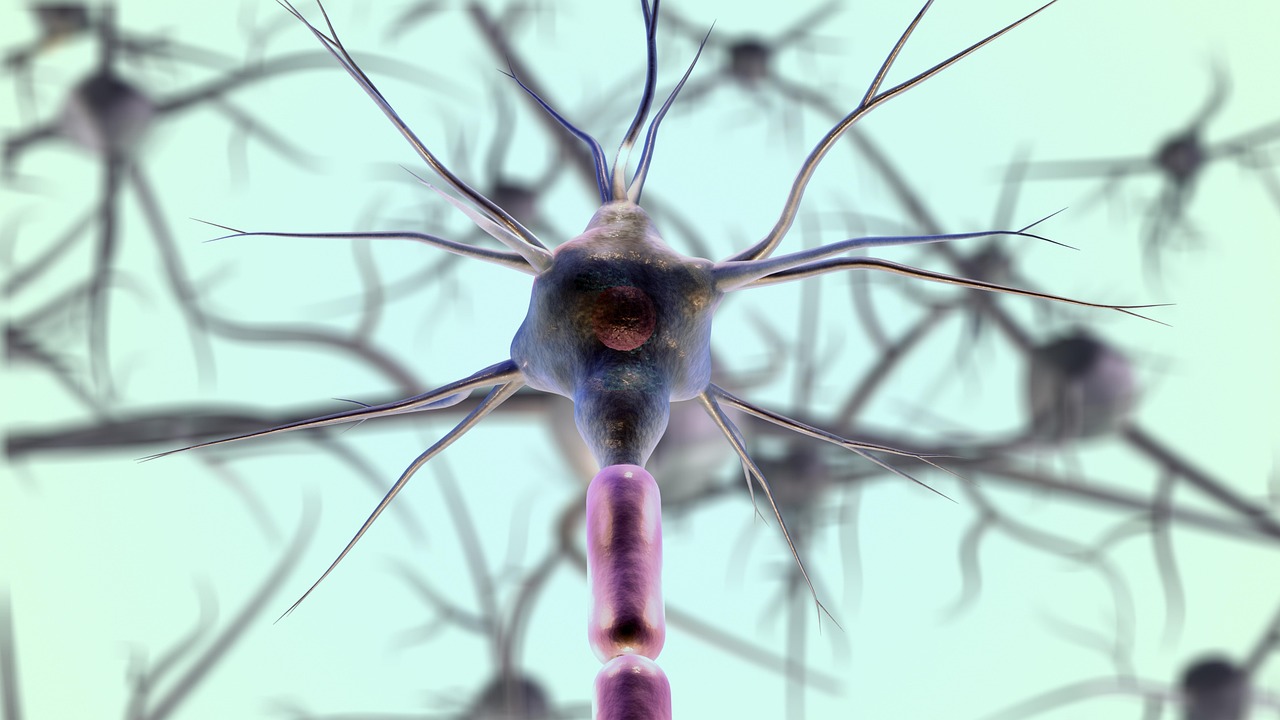
When you face rejection, your brain lights up in ways that are eerily similar to when you stub your toe. Seriously. Studies show that the anterior cingulate cortex, a region linked to emotional pain, also processes physical pain. It’s like your brain is saying, ‘Hey, this hurts!’ even if the pain is emotional.
Think about it: when someone dismisses you or a relationship falls apart, it feels like a physical ache. That’s because our brains evolved to treat social connections as vital for survival. Losing those connections triggers a pain response. It’s not just emotional; it’s a full-body experience.
But wait — that’s not even the crazy part! This pain isn’t just a fleeting moment. Research indicates that the emotional pain from rejection can linger, affecting mood and even physical health. So, when you feel rejected, it’s not just your heart that’s breaking; it’s a complex interplay of your mind and body reacting to a perceived threat.
The Science Behind Emotional and Physical Pain
Emotional vs. Physical Pain Response
Percentage of people reporting physical symptoms after emotional rejection
Percentage of people reporting emotional symptoms after physical injury
Let’s dive deeper into the neuroscience. When you experience social rejection, your brain releases stress hormones like cortisol. This response can lead to anxiety and even depression if the feelings persist. It’s like your body is preparing for battle, even though the threat is social rather than physical.
Researchers have found that the brain’s response to rejection is so strong that it can even lead to physical symptoms. Some people report headaches, stomachaches, or fatigue after a painful rejection. It’s like your emotional state is leaking into your physical health.
And here’s something wild: people who have experienced social rejection show increased activity in the same areas of the brain that respond to physical pain. This overlap suggests that our brains don’t differentiate much between the two types of pain. It’s all just pain to them!
This connection is crucial. It means that emotional pain can have real, tangible effects on our bodies. So, when you’re feeling rejected, take a moment to recognize that it’s not just a passing feeling. It’s a significant experience that deserves attention.
The Evolutionary Perspective: Why Does This Matter?
Evolution of Social Bonds
200,000 years ago
Homo sapiens emerge
Social bonds crucial for survival.
From an evolutionary standpoint, the pain of rejection makes sense. Early humans relied on social groups for survival. Being ostracized could mean death. So, our brains developed a mechanism to ensure we stayed connected. The pain of rejection serves as a warning sign, pushing us to repair social bonds.
This evolutionary trait is still present today. When we feel rejected, our brain’s alarm bells go off, signaling that we need to reconnect. This is why we often seek out friends or family after a breakup or a job loss. It’s our brain’s way of trying to heal the wound.
But here’s the kicker: while the pain can motivate us to reconnect, it can also lead to avoidance. Some people might withdraw further after feeling rejected, which can create a vicious cycle. So, understanding this pain can help us break that cycle and seek out connections instead of hiding away.
Coping Mechanisms: How to Manage the Pain of Rejection
Key Figures in Emotional Pain Research
60%
People who experience chronic rejection sensitivity
3x
Increased risk of anxiety disorders with repeated rejection
1 in 5
Adults who report significant emotional pain from rejection
So, if rejection hurts this much, how do we cope? First, it’s essential to acknowledge the pain. Don’t brush it off. It’s real. Allow yourself to feel it, but also recognize that it’s temporary.
Engaging in activities that boost your mood can help. Exercise, for instance, releases endorphins, which can counteract feelings of pain. Talking to friends or family can also provide comfort and perspective. They can remind you that you’re not alone and that rejection happens to everyone.
Another powerful tool is mindfulness. Practicing mindfulness can help you observe your feelings without judgment. It allows you to step back and recognize that while rejection hurts, it doesn’t define you.
And this is the part that gets me: understanding the science behind rejection can empower you. It’s not just about feeling hurt; it’s about recognizing that your brain is wired to respond this way. You can use that knowledge to navigate your emotional landscape more effectively.
The Hidden Costs of Ignoring Emotional Pain
Surprising Insights on Rejection
Rejection can trigger physical pain pathways in the brain.
Understanding this can help in coping strategies.
Ignoring the pain of rejection can lead to more significant issues down the line. Chronic emotional pain can contribute to mental health disorders, like anxiety and depression. It’s like a slow leak; if you don’t address it, it can lead to a much bigger problem.
Studies have shown that individuals who experience frequent rejection can develop a heightened sensitivity to future rejections. This means they might perceive rejection even when it’s not there. It’s like a shadow that looms over their social interactions.
So, what can you do? Prioritize your mental health. Seek therapy if you find yourself struggling with rejection. Talking to a professional can provide you with tools to cope and heal.
But wait — that’s not even the crazy part! Research indicates that people who actively work through their feelings of rejection often emerge stronger. They develop resilience and a deeper understanding of their emotional landscape. So, facing that pain can lead to growth!
Impact of Rejection on Mental Health
| Type of Pain | Impact on Mental Health |
|---|---|
| Emotional Pain | Increased risk of anxiety and depression |
| Physical Pain | Can lead to emotional distress if chronic |
Procedural Breakdown
Acknowledge the Pain
Recognize that rejection hurts and it’s a valid feeling.
Engage in Activities
Find activities that elevate your mood and distract you.
Talk to Someone
Reach out to friends or family for support.
Practice Mindfulness
Use mindfulness techniques to observe your feelings without judgment.
Frequently Asked intel
Can emotional pain lead to physical symptoms?
Yes, emotional pain can manifest as physical symptoms like headaches and fatigue.
How can I cope with rejection?
Engage in activities that boost your mood, talk to friends, and practice mindfulness.
Dig deeper into the rabbit hole
Verified Data Sources
Recent Intel & Headlines
Cross-Network News Feed
How to Deal With Rejection: Types, Coping Tips - Verywell Mind
Your brain learns from rejection − here’s how it becomes your compass for connection - The Conversation
Paris Hilton shares 'painful' experience with RSD. What is it? - USA Today
Global headlines indexed via Google News RSS Search Protocol