Why Does Time Feel Like It’s Speeding Up as We Age?
Did you know that a child’s brain processes new information at a rate of about 10 times faster than an adult's? That’s why summer vacations felt like they lasted forever back then!
Executive Summary / Key Takeaways
Let’s dive into why time seems to fly as we age. It’s a wild ride through our brains and memories.
What Causes Time to Feel Faster as We Age?
Speed of Time Perception
10x
Faster processing in children
2-3x
Slower processing in adults
Source: Psychological Science
Imagine being a kid, waiting for your birthday. Each day felt like a week, right? Now, as adults, we blink and suddenly it’s December again. What gives?
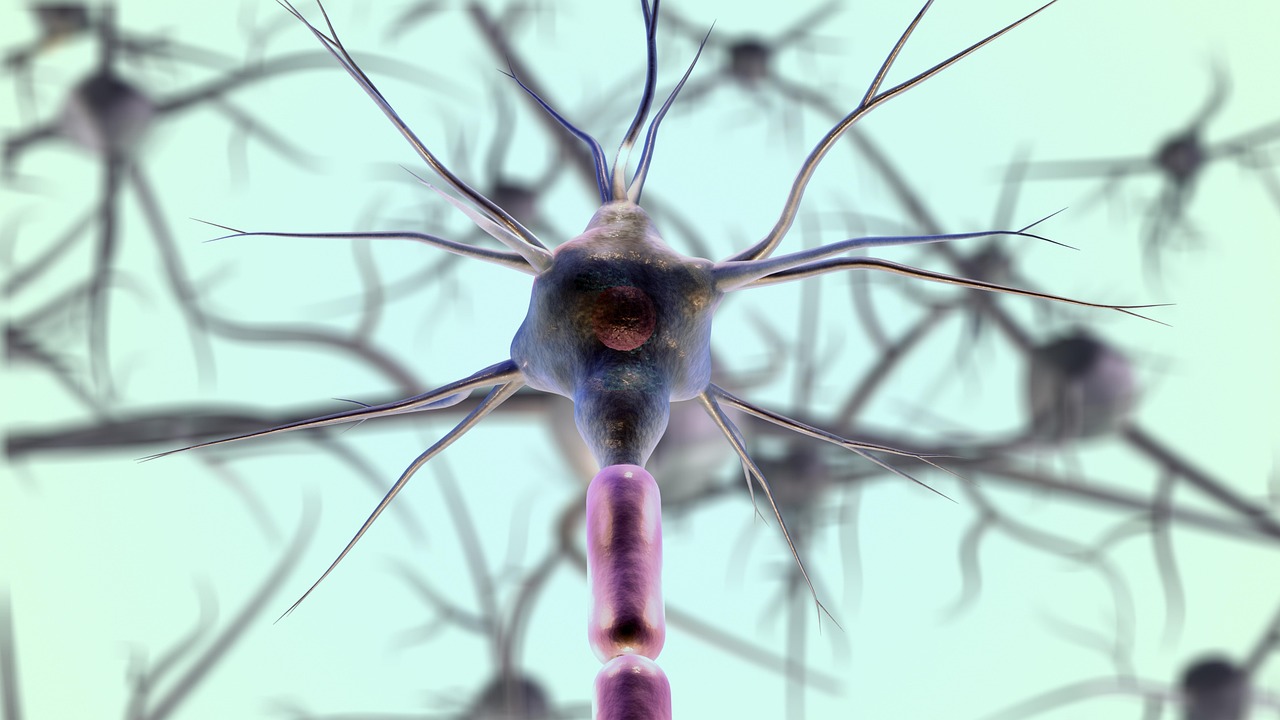
One big reason is how our brains process experiences. When we’re young, everything is new. New sights, new sounds, new feelings. Each of these experiences gets stored in our memory, and our brains work hard to make sense of them. It’s like a sponge soaking up water. The more new stuff it absorbs, the fuller it feels.
But as we age, life becomes routine. We settle into patterns. The brain doesn’t need to work as hard to process familiar experiences. It’s like a highway with no traffic—everything just flows. This leads to fewer memorable moments and, consequently, a feeling that time is speeding up.
Research supports this idea. A study in the journal Psychological Science found that adults often perceive time as moving faster due to the lack of novel experiences. When you think back on your life, the years that stand out are usually filled with significant events—graduations, weddings, travel. The mundane days fade into the background.
But wait—that’s not even the crazy part. There’s more to this story!
How Do Memories Influence Our Perception of Time?
Okay, let’s talk about memories. They’re like the bookmarks in the book of our lives. The more bookmarks you have, the thicker the book feels, right? When you’re young, you’re constantly adding new bookmarks. Every birthday, every first day of school, every family vacation. Each of these events creates a vivid memory that stands out in your mind.
As we grow older, those bookmarks become fewer and farther between. We start to repeat the same activities, and the new experiences dwindle. Think about it: how many times have you done the same commute or celebrated the same holiday? Those repetitive experiences blend together, making the years feel like they’re flying by.
Interestingly, studies show that people who actively seek out new experiences—like traveling to new places or trying new hobbies—report feeling like time is moving slower. It’s almost as if they’re tricking their brains into creating more bookmarks!
So, if you want to slow down time, shake things up! Try something new. Go on an adventure. Make a conscious effort to create those memorable moments. But here’s a twist: it’s not just about experiences. Our perception of time is also influenced by our emotional state.
When we’re happy, time seems to fly. But during stressful times, it can drag on. So, if you’re feeling overwhelmed, it might feel like the clock is ticking slower. This emotional rollercoaster adds another layer to how we perceive time.
And that leads us to the next layer of this mind-bending topic!
Can We Slow Down Our Perception of Time?
Key Life Milestones
0-10
Childhood
New experiences abound
20-30
Young Adult
Routine starts to form
30+
Adulthood
Fewer new experiences
So, how do we slow down this relentless march of time? It’s all about mindfulness. You know, being present in the moment. When you’re fully engaged in what you’re doing, time seems to stretch. Think about those moments when you’re completely absorbed in a good book or a captivating movie. Hours can pass, and it feels like minutes.
Research supports this, too! A study published in Frontiers in Psychology found that mindfulness practices, like meditation, can enhance our awareness of the present moment, making time feel more expansive.
Another strategy? Mix up your routine. Remember how we talked about those bookmarks? New experiences create more vivid memories. So, whether it’s taking a different route to work or trying a new restaurant, shake things up! Your brain will thank you.
Also, consider keeping a journal. Writing down your experiences can help you process them and create lasting memories. It’s like adding more bookmarks to your life’s story.
But here’s the kicker: it’s not just about slowing down time. It’s about enriching our lives. When we’re mindful and open to new experiences, we’re not just making time feel longer; we’re making life feel fuller.
And guess what? There’s still more to explore!
Comparison of Time Perception
| Age Group | Perceived Time Speed | Memory Formation |
|---|---|---|
| Children | Slow | High |
| Adults | Fast | Low |
Procedural Breakdown
Engage in new experiences
Try new activities to create more memories.
Practice mindfulness
Focus on the present moment to enhance awareness.
Frequently Asked intel
Why does time feel slower when you're having fun?
When you're engaged and enjoying yourself, your brain processes more information, making the time feel longer.
How can I make time feel slower?
Try new activities, practice mindfulness, and create memorable experiences.
Dig deeper into the rabbit hole
Verified Data Sources
Recent Intel & Headlines
Cross-Network News Feed
Making sense of the passage of time. - Psychology Today
New study reveals why time seems to move faster the older we get - Live Science
Q&A: Why does time go by so fast, and how can we slow it down? - The University of Virginia
Global headlines indexed via Google News RSS Search Protocol