The Salt Crystal Conspiracy: How a 17th-Century Mistake Named Your St. Patrick's Day Sandwich
The salt crystals used in traditional corning were about the same size as modern jelly beans — imagine rubbing those into meat for weeks.
Executive Summary / Key Takeaways
You're staring at a Reuben sandwich, about to take a bite, when your brain suddenly freezes. Wait — why 'corned' beef? There's no corn in this thing. And that's when the rabbit hole opens.
Why does salt look like corn? The medieval mix-up that named your lunch
How 'corned beef' traveled through time
1100s
First preservation
European butchers use coarse salt to preserve meat
1650s
Name appears
First recorded use of 'corned beef' in English
1840s
Irish adaptation
Immigrants in New York adopt Jewish corned beef
1940s
Canned version
WWII creates shelf-stable canned corned beef
Sources: Oxford English Dictionary, culinary histories
Okay, let's start with the obvious part you already guessed. It's about salt.
But not table salt. Not the fine white powder you sprinkle on fries.
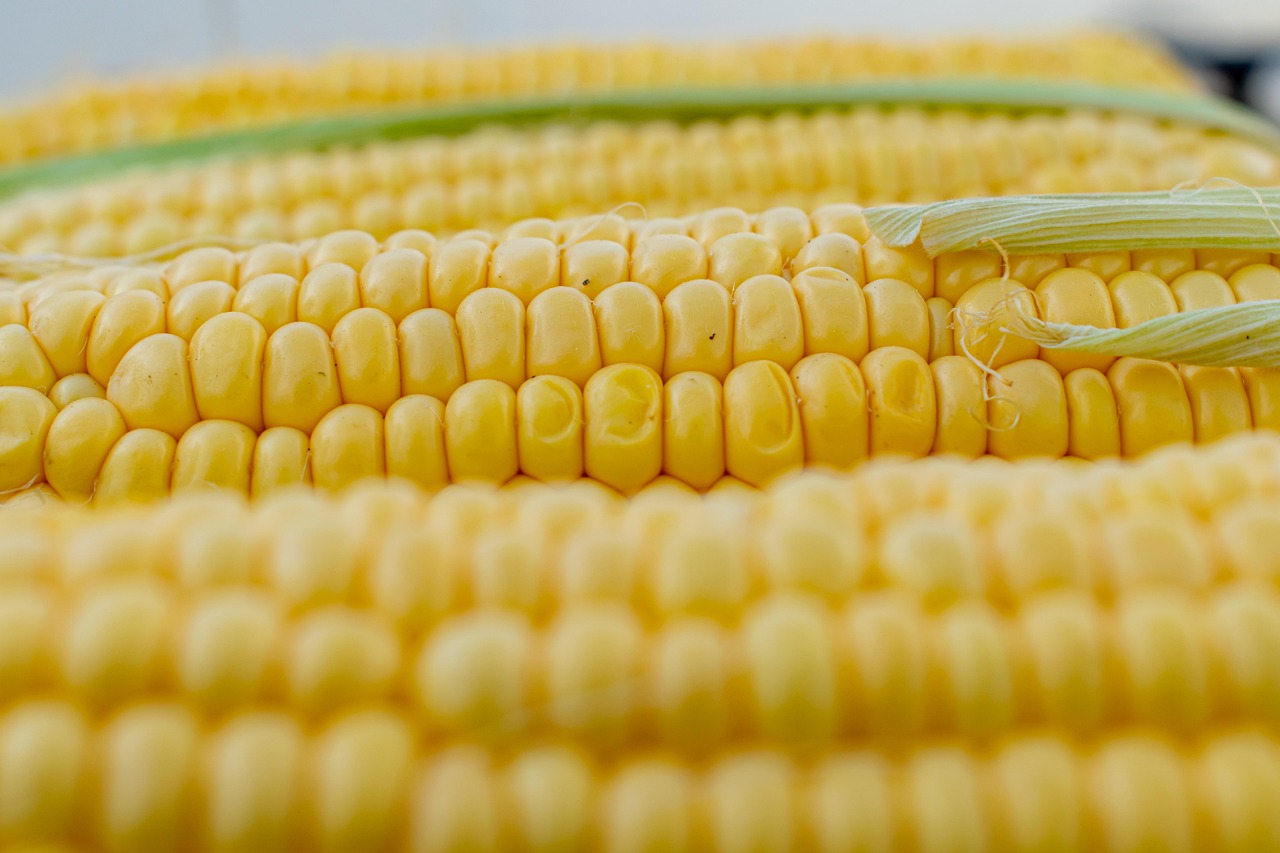
We're talking about rock salt. The big, chunky, irregular crystals that look like... well, corn kernels.
That's it. That's the whole mystery.
'Corn' in Old English just meant any small, hard particle. Pepper corns. Salt corns. Sand corns. It was a size description, not a plant.
So when medieval butchers needed to preserve meat before refrigeration, they'd take these fist-sized salt crystals — some as big as your thumbnail — and literally rub them into the beef.
They called it 'corning' the beef. Because they were applying corns of salt.
Simple, right?
But here's where it gets weird. The English language kept the word 'corn' for the salt, but then stole it for maize when Europeans reached America.
So now we have this perfect linguistic collision: a food named for salt crystals that shares a name with a completely unrelated plant.
It's like if we called smartphones 'pocket rocks' and then discovered actual rocks in our pockets.
The name made perfect sense in 1650. It makes zero sense in 2024 unless you know the secret.
How did Irish immigrants accidentally invent American corned beef?
Now here's the part that really twists everything.
You think corned beef is Irish, right? St. Patrick's Day, cabbage, all that.
Except it's not. Not originally.
In Ireland, beef was expensive. Most people ate pork. Bacon. Ham.
Corned beef was actually an English thing — a luxury item the Irish couldn't afford in their own country.
Then the Irish famine happened. Millions came to America.
And in New York, they discovered something wild: beef was cheap here. Jewish butchers on the Lower East Side were making this amazing preserved beef using their own traditions.
So Irish immigrants, who'd never eaten much beef back home, suddenly had access to it. And they adapted Jewish corned beef into their own cooking.
It's like cultural parallel universe proof — two traditions colliding to create something neither group expected.
By the early 1900s, this immigrant hybrid had become 'Irish' corned beef in America.
While back in Ireland? Still eating mostly pork.
The name traveled across an ocean and got adopted by people who'd barely used it before.
What's actually in that brine? The chemical magic nobody talks about
The corning process by the numbers
5-7%
Salt concentration
In traditional brine solution
10-14 days
Curing time
For a full-sized brisket
1561
First recorded use
Year 'corned beef' appears in English
200M lbs
Annual US consumption
Most around St. Patrick's Day
USDA and historical data
Let's open the barrel. Literally.
Traditional corning wasn't just salt. It was a chemical process hiding in plain sight.
The big salt crystals would draw moisture out of the beef through osmosis. Bacteria need water to grow, so no water means no spoilage.
But here's the secret ingredient: saltpeter.
Potassium nitrate. Yes, the stuff in gunpowder.
Butchers added it to the brine because it does something magical: it reacts with the meat's myoglobin to create that distinctive pink color.
Without saltpeter, corned beef would be gray. Like a sad, boiled shoe.
Today we use Prague powder or curing salt, but the principle is the same — chemistry disguised as cooking.
And the spices? Juniper berries, bay leaves, peppercorns. They're not just for flavor.
Before we understood microbiology, people noticed certain spices helped preservation. They didn't know about antimicrobial properties — they just knew it worked.
So every time you eat corned beef, you're tasting centuries of food science experimentation.
It's like edible archaeology.
And the wildest part? The brine recipe hasn't changed much in 300 years. We just understand why it works now.
Why does canned corned beef look nothing like the real thing?
What you're really tasting
The pink isn't natural
Curing salts create the color through chemical reaction
It was never Irish
Traditional Irish diet featured pork, not beef
Two different foods
Canned and deli corned beef use completely different processes
Culinary history reveals hidden truths
Open a can of corned beef. You know the one — pink, homogeneous, slightly gelatinous.
Now look at deli corned beef. Marbled, textured, clearly meat.
They're barely the same species.
Here's why: canned corned beef is a World War II innovation. Soldiers needed protein that wouldn't spoil. Ever.
So manufacturers took lower-quality cuts, pressure-cooked them into submission, canned them, and sterilized the cans.
The result? Meat that lasts years but loses all texture.
It's the difference between a fresh apple and applesauce. Same ingredients, completely different experience.
And the name stuck because... well, it was still beef preserved with salt.
But the method was so different it created a parallel product with the same name.
It's like if we called both champagne and soda 'bubbly water.' Technically true, but missing the point entirely.
Today, most of the world's canned corned beef comes from South America. It's a staple in places like the Philippines and Polynesia — places with no historical connection to Irish or Jewish traditions.
The name traveled further than the original recipe.
And that's the thing about words — they outlive their original meanings. They adapt. They mutate.
Just like the food they describe.
Traditional corned beef brine ingredients and purposes
| Ingredient | Purpose | Modern Equivalent |
|---|---|---|
| Coarse rock salt | Preservation, moisture control | Kosher salt or sea salt |
| Saltpeter (potassium nitrate) | Color fixation, preservation | Prague powder #1 |
| Brown sugar | Flavor balance, aids preservation | Brown sugar or honey |
| Juniper berries | Antimicrobial, flavor | Juniper berries or bay leaves |
| Peppercorns | Flavor, surface protection | Black peppercorns |
Procedural Breakdown
Select the cut
Traditionally brisket, but other tough cuts work. Fat content helps flavor and texture.
Create the brine
Dissolve salt, sugar, and curing salts in water with spices. Cool completely before using.
Submerge and cure
Completely cover meat in brine. Refrigerate for 5-7 days per inch of thickness.
Rinse and cook
Rinse off excess salt. Simmer gently for 3-4 hours until tender.
Frequently Asked intel
Is there actual corn in corned beef?
No, absolutely not. The 'corn' refers to the large salt crystals (corns of salt) used in the preservation process, not the vegetable.
Why is corned beef pink?
The pink color comes from curing salts (historically saltpeter) that react with the meat's proteins. Without these salts, the meat would be grayish-brown.
Is corned beef really Irish?
Not originally. While associated with Irish-Americans today, corned beef became part of Irish immigrant culture in 19th-century America, adapting from Jewish butchers' traditions.
What's the difference between corned beef and pastrami?
Both start with similar brining, but pastrami is then coated with spices and smoked, while corned beef is typically boiled or steamed. Different spices create distinct flavor profiles.
Dig deeper into the rabbit hole
Verified Data Sources
Recent Intel & Headlines
Cross-Network News Feed
How to cook corned beef for St. Patrick's Day: Easy, foolproof recipes - Detroit Free Press
Where to Get Corned Beef on the SouthCoast This St. Patrick's Day - FUN 107
Corned Beef Isn't as Irish as You Might Think—Here's What You Need to Know - Parade
Global headlines indexed via Google News RSS Search Protocol